
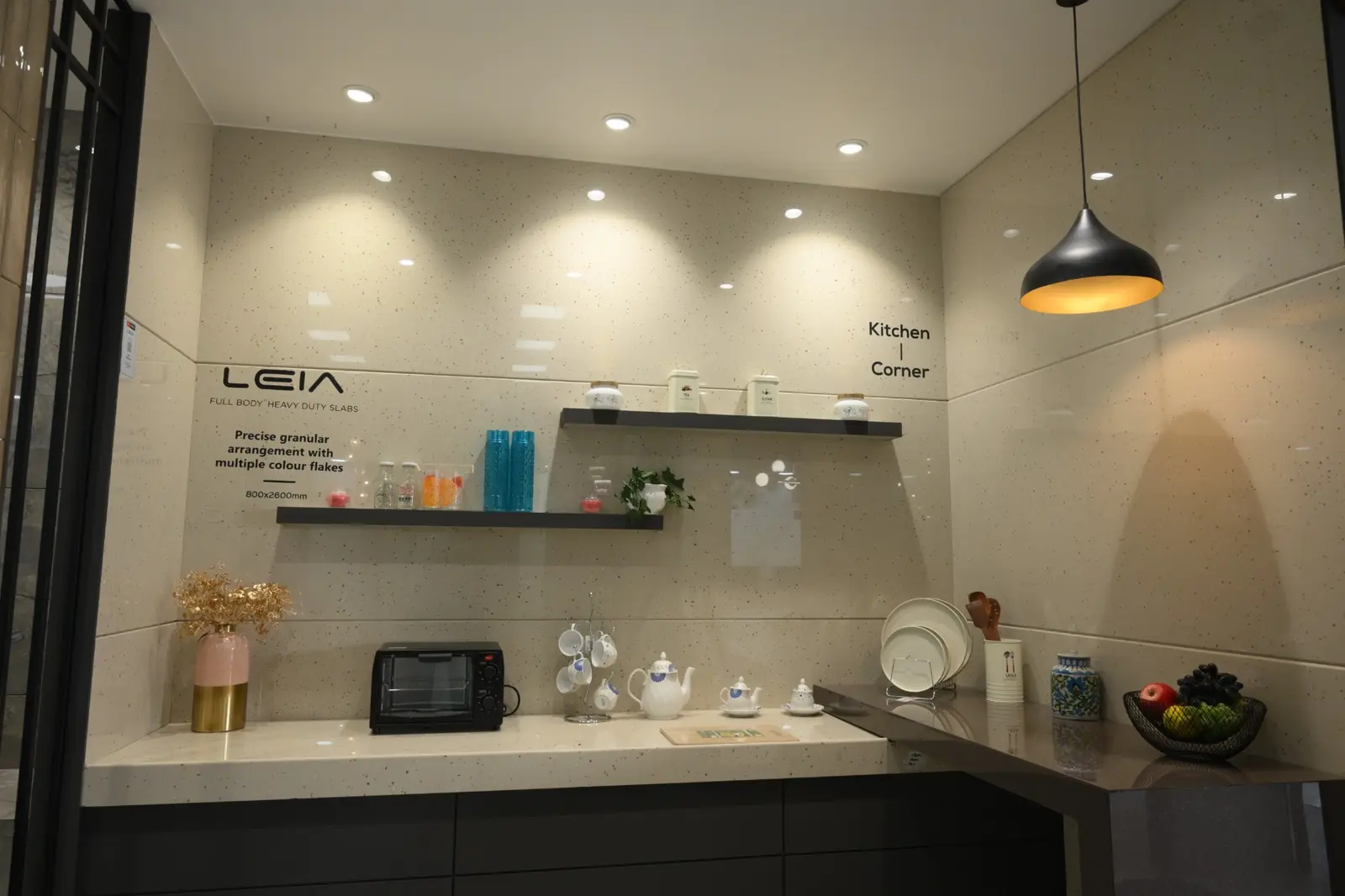
Home design forecast · India 2026
Renovate for less space, less upkeep and more future.
A modern Indian home should feel generous without being oversized, bright without overheating, and refined without becoming difficult to maintain.
The most relevant home-renovation trend is not a colour or a tile format. It is the shift from decorative replacement to selective re-engineering.
Modern Indian homes are being asked to contain more life in less space: work, study, entertaining, storage, ageing parents, changing technology and higher expectations of comfort. The response is not to fill every wall. It is to make circulation clearer, storage more deliberate and each fixed decision more durable.
This is also an economic response. Turner & Townsend reports that Indian project budgets are commonly factoring in wage inflation of 10–15%, while delivery reliability remains a concern even where some material prices have softened. That pressure rewards early decisions, standardised sizes, controlled waste and procurement that is tied to an agreed design rather than improvised on site.
The renovation brief
Five outcomes matter more than a passing aesthetic.
Flexible, uncluttered, storage-rich
Cleanable, repairable, accessible
Daylit, shaded, heat-conscious
Efficient and solar-ready
Adaptable services and safer access
Six moves for a better renovation
Make every square metre work twice
Compact homes need fewer single-purpose rooms and more spaces that change character through the day. A dining table can become a work surface; a guest room can use a wall bed and closed storage; a sliding partition can give privacy without permanently shrinking the plan. The architecture should create flexibility before furniture is purchased.
Open table · clear passage
Task light · acoustic closure
Storage shut · warmer light
Design out the cleaning burden
Good detailing removes dust traps, awkward corners and unnecessary joints. Use continuous, correctly installed surfaces where practical; washable wall finishes; wall-hung bathroom fixtures; accessible floor traps; properly specified grout; and storage that closes cleanly. The goal is not a sterile house—it is a home that can return to order quickly.
Invite daylight, temper direct sun
A bright room is desirable; an overheated, glare-filled room is not. Share daylight through lighter surfaces and glazed or open internal connections, while controlling harsh sun with chajjas, fins, screens, curtains and sensible window placement. In Bikaner, the direction and duration of exposure matter as much as the size of the opening.
Plan the roof as an energy surface
A renovated roof can do more than keep out rain. Reserve an unshaded, serviceable zone for photovoltaic panels; preserve safe access, drainage and cleaning paths; and use a high-reflectance cool-roof tile or compatible coating on exposed areas where it suits the waterproofing build-up. Solar and cool-roof measures should be coordinated, not added as unrelated afterthoughts.
Diagrammatic only. Structural capacity, wind, fire safety, waterproofing, electrical protection, DISCOM requirements and manufacturer instructions must be verified for the actual project.
Put tomorrow behind today’s walls
Add accessible service shafts, spare conduits, labelled valves, provision for a solar inverter, data cabling and a little electrical headroom. Reinforce bathroom walls where grab bars may later be needed and keep door routes generous where the structure permits. Future-proofing is less about gadgets and more about making later change clean and affordable.
Spend on the layers that are hardest to replace
When budgets are under pressure, protect waterproofing, plumbing, electrical safety, substrate preparation, tile installation and the building envelope first. Decorative lighting, loose furniture and styling can be phased. A cost-aware renovation is not the cheapest specification; it is the one that avoids paying twice for concealed mistakes.
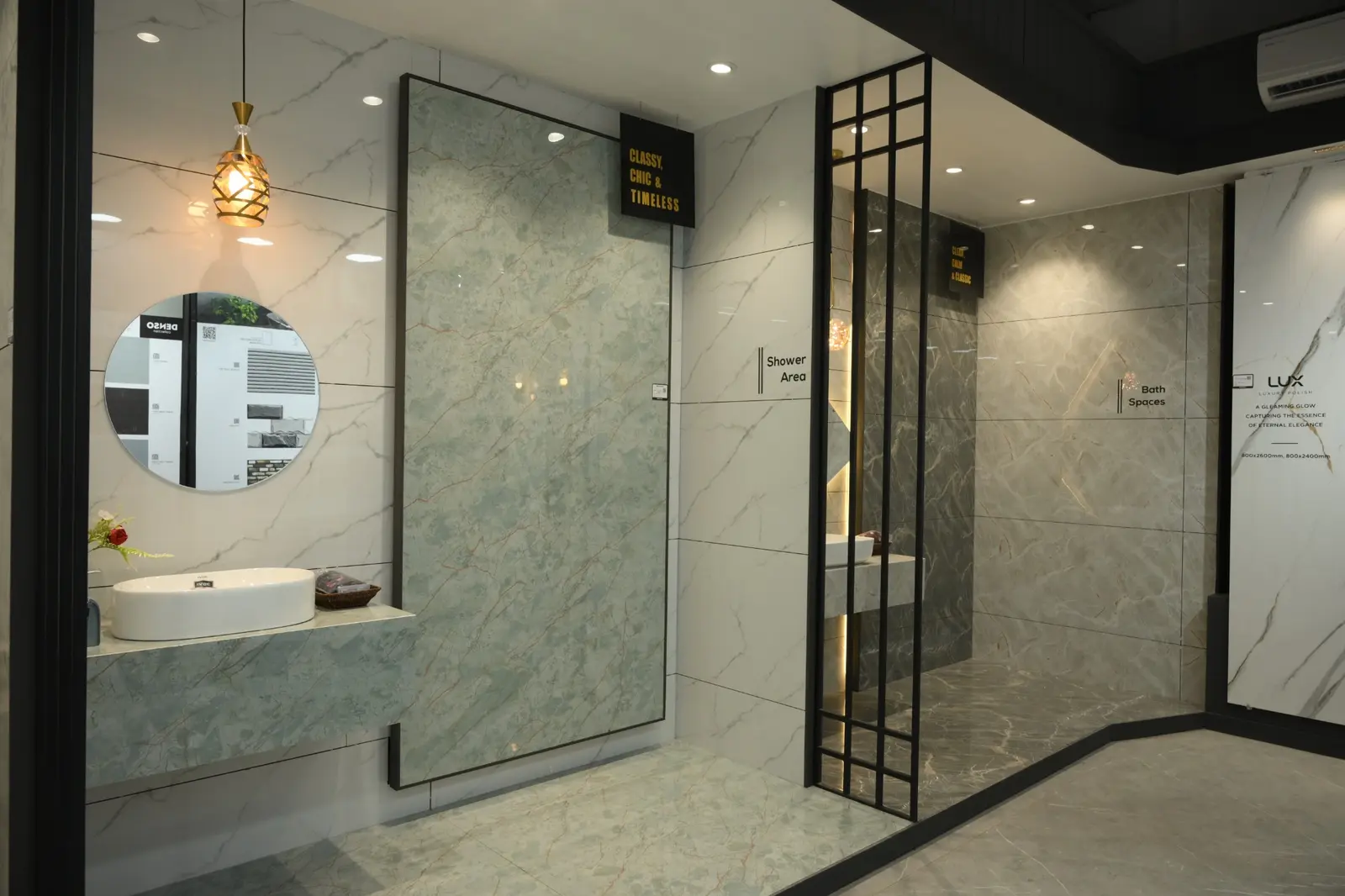
Cleanability is a design decision
Specify the joint, edge and access—not only the surface.
Large-format surfaces can reduce visual interruption and the number of grout lines, but they demand flatter substrates, correct adhesive, skilled handling and planned cuts. Smaller anti-skid tiles may remain the better choice where slope and grip are critical.
In bathrooms and kitchens, coordinate tile module, counter edge, floor fall, drain, sanitaryware and service access before fixing begins. Select grout and sealants for the exposure; keep concealed valves reachable; and avoid ledges that collect water or dust.
Low joints where suitable · slip-aware finish · replaceable batch reserve
Washable finish · protected corners · minimal dust ledges
Correct falls · wall-hung options · accessible traps and valves
Easy-clean backsplash · resilient sink zone · task lighting
Light, heat and the desert climate
Brightness should arrive without the thermal penalty.
Direct sunlight can be welcome in a winter corner and punishing on a west-facing summer wall. Renovation should respond to orientation: shade the harshest exposure, keep frequently used seating and screens out of glare, and use lighter internal surfaces to distribute useful daylight farther into the plan.
India’s residential energy guidance connects envelope heat gain, natural ventilation and daylight potential. Its cool-roof guidance also distinguishes solar reflectance from emittance and recognises high-reflectance roof strategies. These are performance questions; ask for product data rather than choosing by colour alone.
Useful rule: first reduce unwanted heat at the building envelope; then size mechanical cooling for the improved condition. Do not expect a finish to correct poor shading, leaking waterproofing or uncontrolled air paths by itself.
Solar-ready, not solar-obstructed
Leave the roof organised enough to keep producing.
Rooftop solar needs more than an empty rectangle. Plan panel orientation with an approved installer; confirm structure, shadow, wind, earthing, inverter location, cable route and safe maintenance access; and protect waterproofing around every mounting detail.
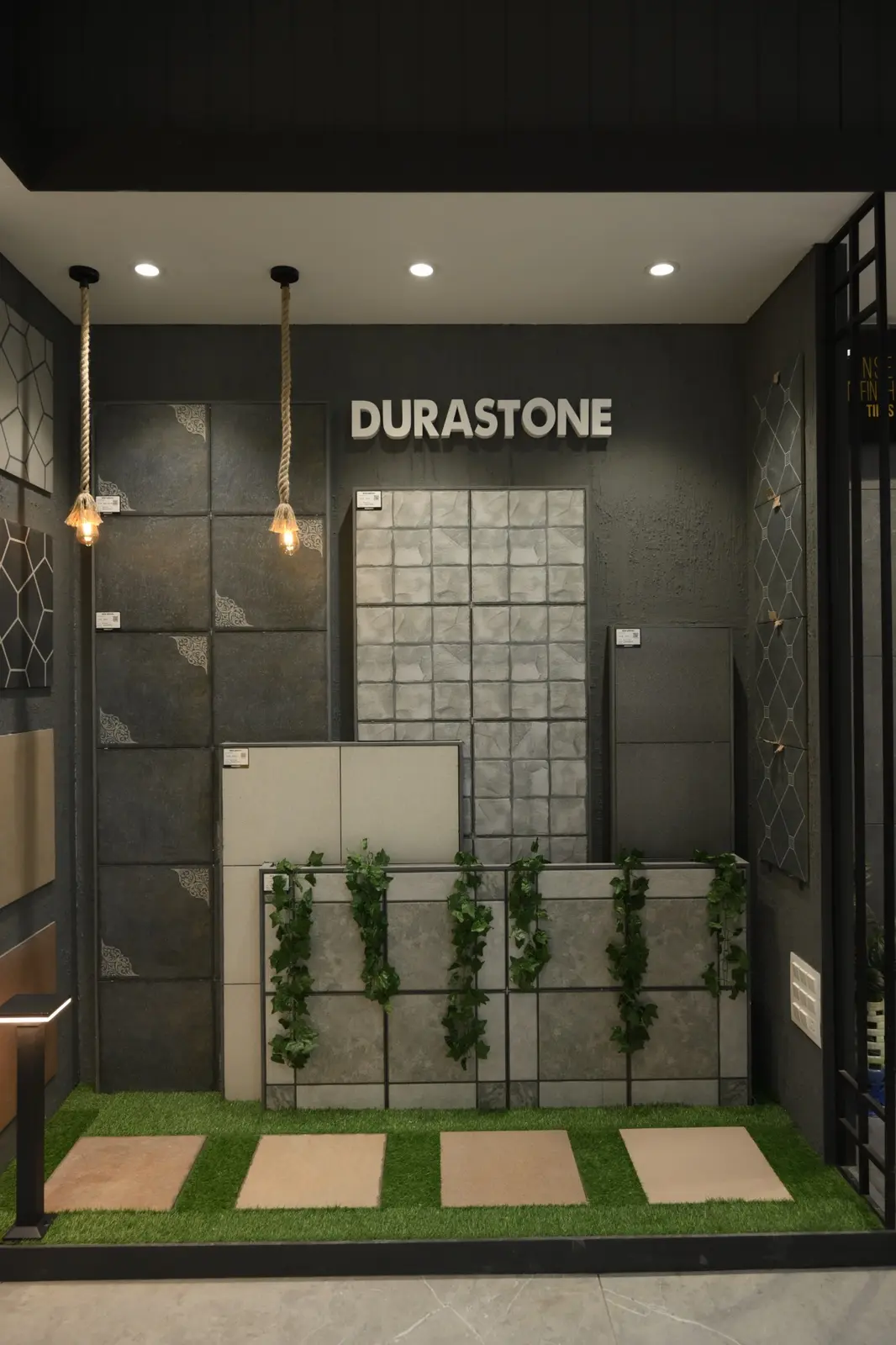
Cool roof tiles or coatings can be considered for roof areas that remain exposed. The Telangana Cool Roof Policy recognises tiled cool roofs using high-albedo ceramic mosaic tiles or shingles, alongside coated and membrane systems. Compatibility, life, maintenance, cost and skilled installation still determine the right solution for an individual house.
The Ministry of New and Renewable Energy maintains the national rooftop-solar programme and links to the national portal and DISCOM resources. Verify current eligibility, technical requirements and vendor approval before committing.
Designing under cost pressure
Rising cost should sharpen the brief—not dilute it.
Freeze the right decisions early
Resolve layouts, plumbing points, tile modules, lighting positions and quantities before site work accelerates.
Protect permanent layers
Keep waterproofing, safe services, substrates and installation quality ahead of short-lived decorative upgrades.
Use standard modules intelligently
Align rooms, counters and openings with available material sizes to reduce awkward cuts, waste and labour.
Phase what can wait
Loose furniture, styling and some smart-home layers can follow; concealed work should not be reopened later.
Buy for service life
Compare stain resistance, repairability, water exposure, spare availability and maintenance—not only the invoice value.
Procure as one coordinated schedule
Check lead times, batch consistency, quantities and site readiness so products do not arrive too early or too late.
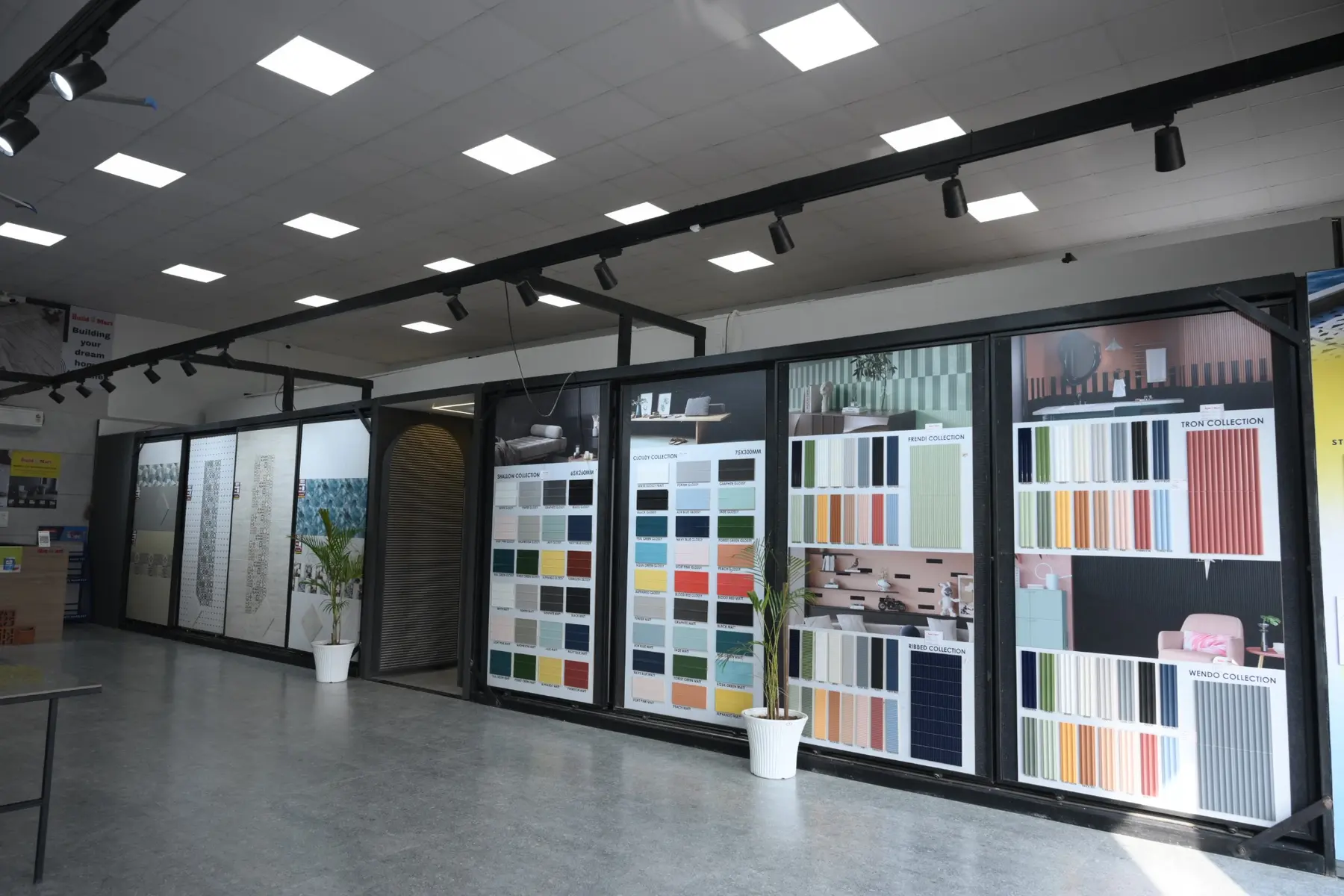
One material conversation
The best decisions are made side by side.
A tile cannot be judged without its grout and adhesive; a bathroom finish cannot be finalised without drainage and fittings; a paint colour changes under the selected light. The Build Mart Bikaner brings these connected categories into one showroom so homeowners, architects, contractors and builders can compare samples at useful scale and resolve technical compatibility before ordering.
- Tiles, slabs, outdoor surfaces, adhesives, grouts and cleaners
- Sanitaryware, CP fittings, kitchen sinks and water solutions
- Lighting, electricals, paints, waterproofing and pipes
- Guidance on size, finish, application, quantities and installation systems
Sources & further reading
Evidence behind the recommendations.
This article combines current Indian energy, green-home, rooftop-solar and construction-market guidance with editorial design interpretation. Project-specific structural, waterproofing, electrical, fire-safety and statutory advice should come from qualified professionals.
- 01Bureau of Energy Efficiency — Eco Niwas Samhita 2024
Residential envelope, daylight, natural ventilation and cool-roof guidance for India.
- 02Telangana Cool Roof Policy 2023–2028
Official Indian guidance on coated, membrane and tiled cool-roof systems.
- 03MNRE — Grid Connected Rooftop Solar Programme
Government rooftop-solar programme information and links to the national portal.
- 04IGBC Green Homes Rating System
A residential framework covering energy, water, materials, indoor quality and major renovation.
- 05Turner & Townsend — India’s construction thrives despite costs and strains
Current Indian construction-cost, labour, delivery and procurement pressures.
Bring the plan, measurements and questions
Renovate once. Choose the material system carefully.
Compare connected material choices at The Build Mart Bikaner and get practical guidance on applications, formats, finishes and installation requirements before work begins.
12 Km Milestone, NH-11, Jaipur Highway, Raisar, Bikaner