
Planning guide · New homes
The complete home material checklist.
What to specify, compare and purchase—from the first structural stage to the final fitting.
Building a home involves far more than choosing a floor plan and appointing a contractor. Plumbing, tiles, bathroom fittings, kitchen sinks, paint and dozens of smaller materials enter the project at different moments.
When major purchases receive attention but smaller supporting materials are overlooked, the result can be last-minute shopping, mismatched products, unnecessary expense and avoidable delay. A properly organised home material checklist in Bikaner helps homeowners compare choices, understand requirements and purchase at the right construction stage.
This guide retains the complete set of construction and finishing categories required for planning a new home. Use it to structure discussions with your architect, engineer, contractor, plumber, electrician, installer and suppliers.
Procurement map
Early stage
Structure · concealed services
Construction, basic plumbing, waterproofing
Middle stage
Coordination · preparation
Electricals, fixtures, tiles and bathroom planning
Finish stage
Visible surfaces · fittings
Tiles, sanitaryware, CP fittings, sinks, paints, adhesive and grout
Stage-by-stage checklist
Plan the sequence. Then plan the material.
Basic construction materials
The first stage establishes the structure of the house. Depending on the project and contractor, the material plan may include:
- Cement
- Sand
- Aggregate
- Bricks or blocks
- Steel
- Construction chemicals
- Waterproofing materials
- Binding materials
- Other masonry materials
Exact quantities depend on the architectural design, structural requirements and construction method. Homeowners should not estimate structural quantities themselves; the relevant engineer or contractor should determine them for the project.
Plumbing materials
Plumbing is one of the most consequential systems in a home because alterations become difficult and expensive after walls and flooring are complete.
- Water-supply pipes
- Drainage pipes
- Pipe fittings
- Elbows
- Tees
- Couplers
- Valves
- Traps
- Connectors
- Floor-drain components
- Other plumbing accessories
Ask the plumber to prepare the detailed requirement from the home layout. Plan for future maintenance as well: accessible valves and properly resolved drainage can make later repairs considerably easier.
Bathroom materials
A bathroom brings several product categories into one compact room. Plan them together rather than as unrelated purchases.
Bathroom tiles
- Bathroom floors
- Bathroom walls
- Shower areas
- Feature walls
- Other wet areas
Select floor tiles with their intended use and surface characteristics in mind. Choose wall tiles according to colour, pattern and the complete bathroom composition.
Sanitaryware
- WC or toilet
- Wash basin
- Urinal, where required
- Bidet or health-faucet provisions
- Other sanitary accessories
CP fittings
- Basin tap
- Shower
- Health faucet
- Angle valves
- Pillar taps
- Bib cocks
- Other required fittings
Coordinating sanitaryware and CP fittings together creates a more coherent bathroom.
Flooring and wall tiles
Tiles are among the most visible finishing materials in a home. They shape both the character and the practical maintenance of each space.
Living room
- Floor-tile size
- Surface finish
- Colour
- Pattern
- Grout colour
- Required quantity
Bedrooms
- Select flooring for the desired appearance
- Coordinate with the furniture arrangement
- Consider maintenance requirements
Kitchen
- Floor tiles
- Wall tiles
- Backsplash tiles
- Utility-area tiles
Bathrooms
- Floor tiles
- Wall tiles
- Shower-area tiles
- Decorative or accent tiles
Balcony and outdoor areas
- Balconies
- Terraces
- Utility areas
- Entrance spaces
- Other exterior areas
Exterior tiles must be suitable for their intended exposure and use.
Tile adhesive and grout
A tile selection is incomplete without the materials required to install and finish it correctly.
- Tile adhesive
- Grout
- Spacers
- Other installation accessories
The correct system depends on the tile, substrate, location and installation method. Do not select adhesive or grout only by price; resolve the installation requirement first.
Kitchen materials
The kitchen is another point where several product categories and technical services meet.
Core checklist
- Kitchen floor tiles
- Backsplash tiles
- Kitchen sink
- Sink accessories
- Sink tap
- Drainage fittings
- Plumbing materials
- Other required fittings
Choosing the right kitchen sink
- Available counter space
- Cabinet dimensions
- Bowl size
- Sink depth
- Installation type
- Daily kitchen usage
- Cleaning requirements
Kitchen sinks come in different sizes, configurations, materials and bowl arrangements. Select the sink from the actual kitchen layout—not appearance alone.
Paint and wall finishes
Paint is one of the final visible layers of a home, but its system begins below the colour coat.
Paint checklist
- Interior wall paint
- Exterior wall paint
- Primer
- Putty
- Waterproofing or protective coatings where required
- Wood or metal finishes, where applicable
Choose by location
- Living rooms: focus on colour, finish and ease of maintenance
- Bedrooms: consider the intended mood and interior design
- Kitchens: select finishes appropriate for the conditions of the space
- Bathrooms: use suitable systems for moisture-exposed areas
- Exterior walls: consider weather exposure and the condition of the surface
Berger Paints is one of the options homeowners can explore while planning home-finishing materials.
CP fittings
CP fittings may be small relative to other construction materials, but they have a major effect on everyday convenience.
Product checklist
- Basin mixers or taps
- Shower fittings
- Health faucets
- Angle cocks
- Bib cocks
- Sink taps
- Other water-control fittings
Evaluate beyond appearance
- Usage frequency
- Installation requirements
- Finish
- Maintenance
- Compatibility with the plumbing system
- Availability of suitable replacement parts
Sanitaryware
Select sanitaryware from the bathroom dimensions and the way the space will be used—not from the display in isolation.
- Toilet
- Wash basin
- Pedestal or mounting arrangement
- Other bathroom fixtures
- Accessories required for installation
Before purchasing, verify the available bathroom space and plumbing points. A product that looks suitable on display may not necessarily fit comfortably into the planned bathroom.
Electrical and lighting
An electrician should prepare the detailed requirement from the home’s electrical layout.
Electrical categories
- Electrical wires and cables
- Switches
- Sockets
- Distribution board
- MCBs
- Electrical boxes
- Fans
- Light fixtures
- Outdoor lights
- Other electrical accessories
Plan lighting according to each room’s purpose. A living room may combine general and decorative lighting, while a kitchen needs practical illumination around work areas.
Waterproofing materials
Waterproofing deserves attention before tiles and other finishing materials cover the surface.
- Bathrooms
- Terraces
- Balconies
- Wet areas
- Exterior walls
- Other water-exposed locations
The correct waterproofing system depends on the substrate and application. Plan and execute it before installing the finish.
Materials not to buy too early
Decorative tiles, sanitaryware, CP fittings and paint colours can often be selected closer to finishing. Buying everything months in advance creates storage problems and increases the risk of damage.
Early stage
- Structural materials
- Basic plumbing materials
- Waterproofing requirements
- Other construction essentials
Middle stage
- Plumbing fixtures
- Electrical materials
- Tile planning
- Bathroom planning
Finishing stage
- Tiles
- Sanitaryware
- CP fittings
- Kitchen sink
- Paints
- Tile adhesive
- Grout
- Finishing accessories
Dividing procurement into stages makes the construction process easier to manage.
Organise the master list
Ten categories are easier than one endless shopping list.
| Category | Main materials |
|---|---|
| Construction | Cement, sand, aggregate, bricks or blocks, steel |
| Plumbing | Pipes, fittings, valves, drainage materials |
| Tiles | Floor, wall, bathroom, kitchen and outdoor tiles |
| Bathroom | Sanitaryware, CP fittings and accessories |
| Kitchen | Sink, tap, tiles and plumbing materials |
| Paint | Primer, putty, interior and exterior paints |
| Installation | Adhesive, grout and related accessories |
| Electrical | Wires, switches, sockets, MCBs and lighting |
| Waterproofing | Suitable waterproofing materials |
| Finishing | Other accessories and finishing products |
The exact list will vary from one house to another.
Quantity planning
Area alone is not a purchase quantity.
For tiles, calculate from total area, tile size, layout, cutting requirements, pattern, installation method and wastage. Measure carefully and confirm the final quantity with the installer or supplier. Structural and technical quantities must follow the project’s technical requirements.
Why compare under one roof?
Coordination becomes visible.
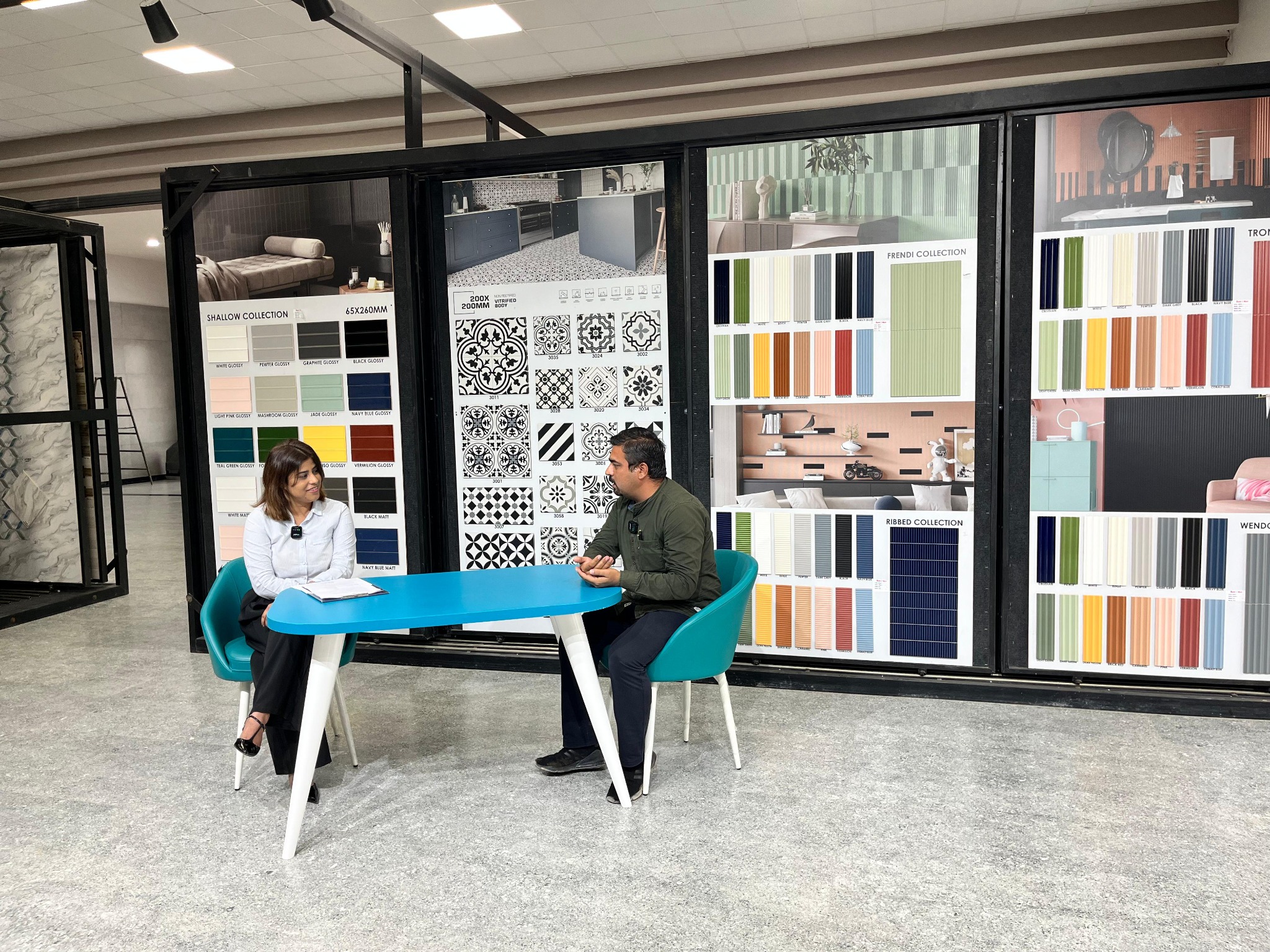
Visiting multiple stores can make a multi-category project time-consuming. A building-material showroom lets homeowners compare requirements in one visit and coordinate colours, finishes and product choices more clearly.
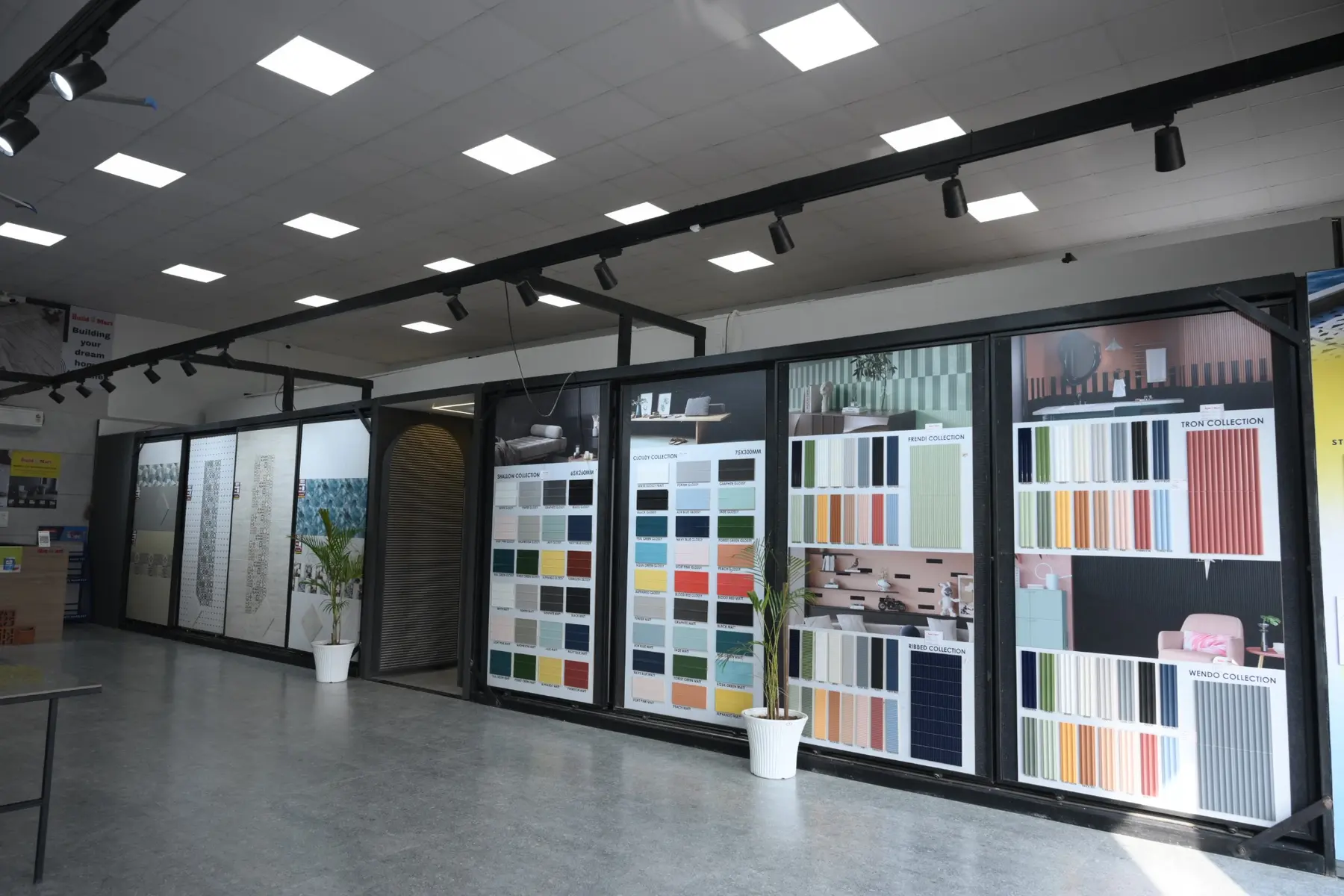
The Build Mart in Bikaner brings together tiles for different areas, sanitaryware, CP fittings, kitchen sinks, tile adhesives and grouts, plumbing materials and Berger Paints. Its large display area helps homeowners see products in person and understand how they work together—whether planning a new home, renovation or individual room.
Online research remains useful, but physical selection is especially valuable for tiles, sanitaryware and CP fittings.
This reduces the risk of choosing a product only from a photograph.
Frequently asked questions
Planning with greater clarity.
Why should materials be planned by construction stage?
Stage-wise planning reduces premature purchases, storage damage, mismatched selections, last-minute expense and delays caused by unavailable material.
How should tile quantity be calculated?
Use total area, tile size, layout, cutting, pattern, installation method and reasonable wastage—not floor area alone. Confirm the final quantity with the installer or supplier.
Should structural quantities be estimated by the homeowner?
No. Structural and technical quantities should be determined from the project requirements by the relevant engineer or contractor.
Why compare finishing materials in a showroom?
Physical viewing reveals actual size, colour, texture, finish and proportions, and makes it easier to coordinate tiles, sanitaryware, CP fittings, sinks and paints.
Where can I prepare a home material checklist in Bikaner?
The Build Mart at 12 Km Milestone, NH-11 Jaipur Highway, Raisar, Bikaner brings major home-finishing categories together in one showroom.
Complete home materials in Bikaner
Start planning your home with a clearer sequence.
12 Km Milestone, NH-11 Jaipur Highway, Raisar, Bikaner, Rajasthan – 334001
10:00 AM – 8:00 PM · Phone: 8955868448
Conclusion
Building a home involves hundreds of decisions, but an organised checklist makes them manageable.
From structure and plumbing to tiles, sanitaryware, CP fittings, kitchen sinks, paints, adhesives and final accessories, plan every category for its construction stage and actual requirement.
For homeowners in Bikaner and Rajasthan, climate, maintenance, usage and local conditions should inform the finishing selection. Do not rush major purchases: compare products, confirm measurements, understand installation and choose materials that support the home’s design and everyday use.
A well-planned home material checklist helps you stay organised, avoid unnecessary last-minute purchases and create a more coordinated home from construction through finishing.